A physician investigating unexplained hypercobalaminemia will typically order some combination of the following: Complete blood count (CBC) with differential to check for abnormal red blood cell, white blood cell, or platelet counts Liver function tests (ALT, AST, ALP, bilirubin, albumin) to assess liver health Kidney function tests (creatinine, BUN, estimated GFR) to evaluate renal clearance Peripheral blood smear if a myeloproliferative disorder is suspected Abdominal imaging (ultrasound or CT) if liver or abdominal pathology is a concern Cancer-specific markers or screenings if clinical suspicion warrants them The NIH Office of Dietary Supplements fact sheet notes that observational data from a Danish registry analysis of 757,185 people found the adjusted 1-year cancer risk was 1.74 to 4.72 times higher among those with B12 above 813 pg/mL compared to those in the normal range of 203 to 813 pg/mL
You will notice an increase in your energy levels almost immediately
Physician-Directed Care All treatments are overseen by a physician and delivered by licensed medical professionals
In this blog post Ebba looks the history of the Schilling Test, why it is no longer used and what the current also less than perfect alternatives are
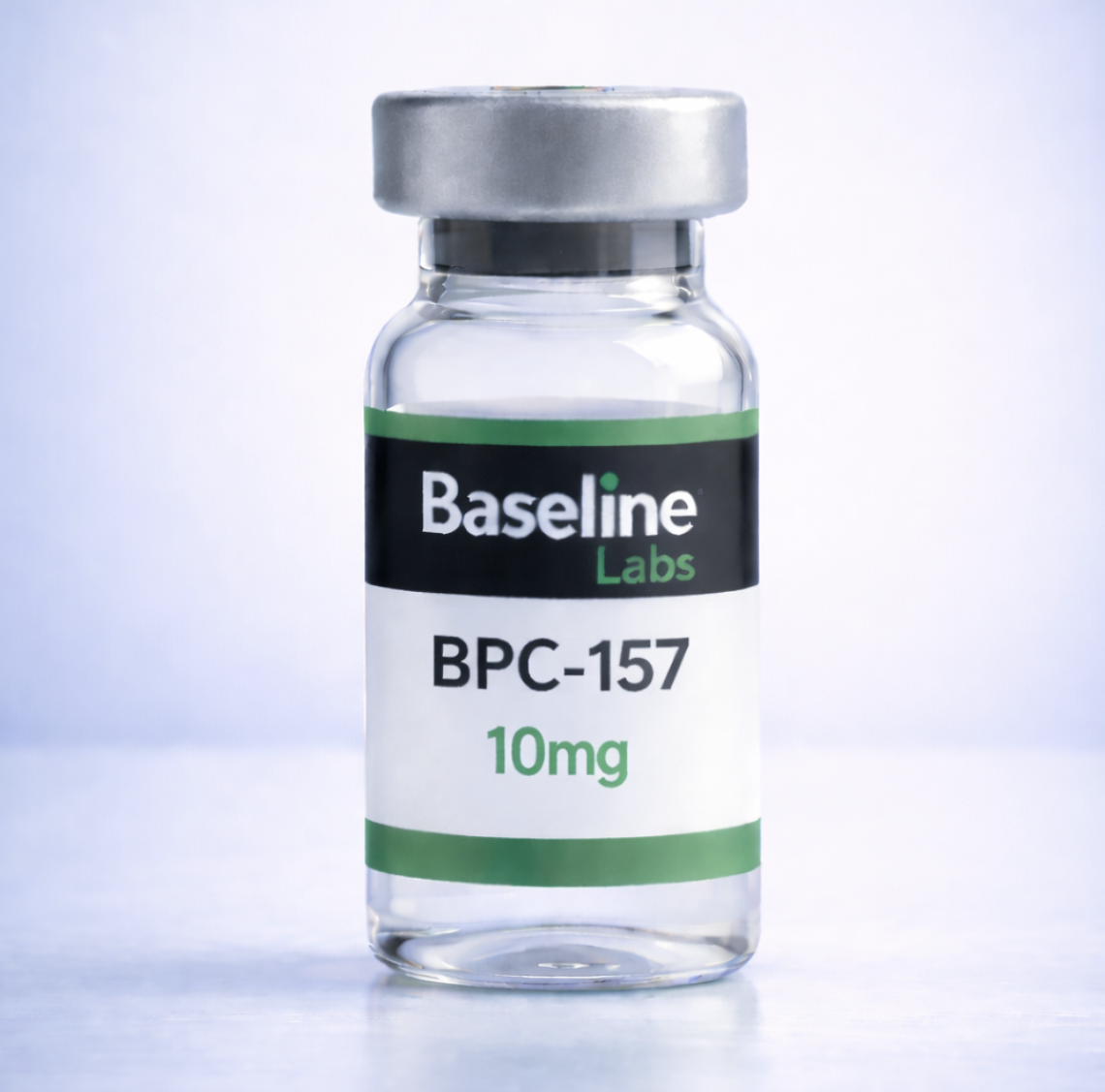
Stability note: Avoid repeated freezethaw cycles to help preserve peptide integrity









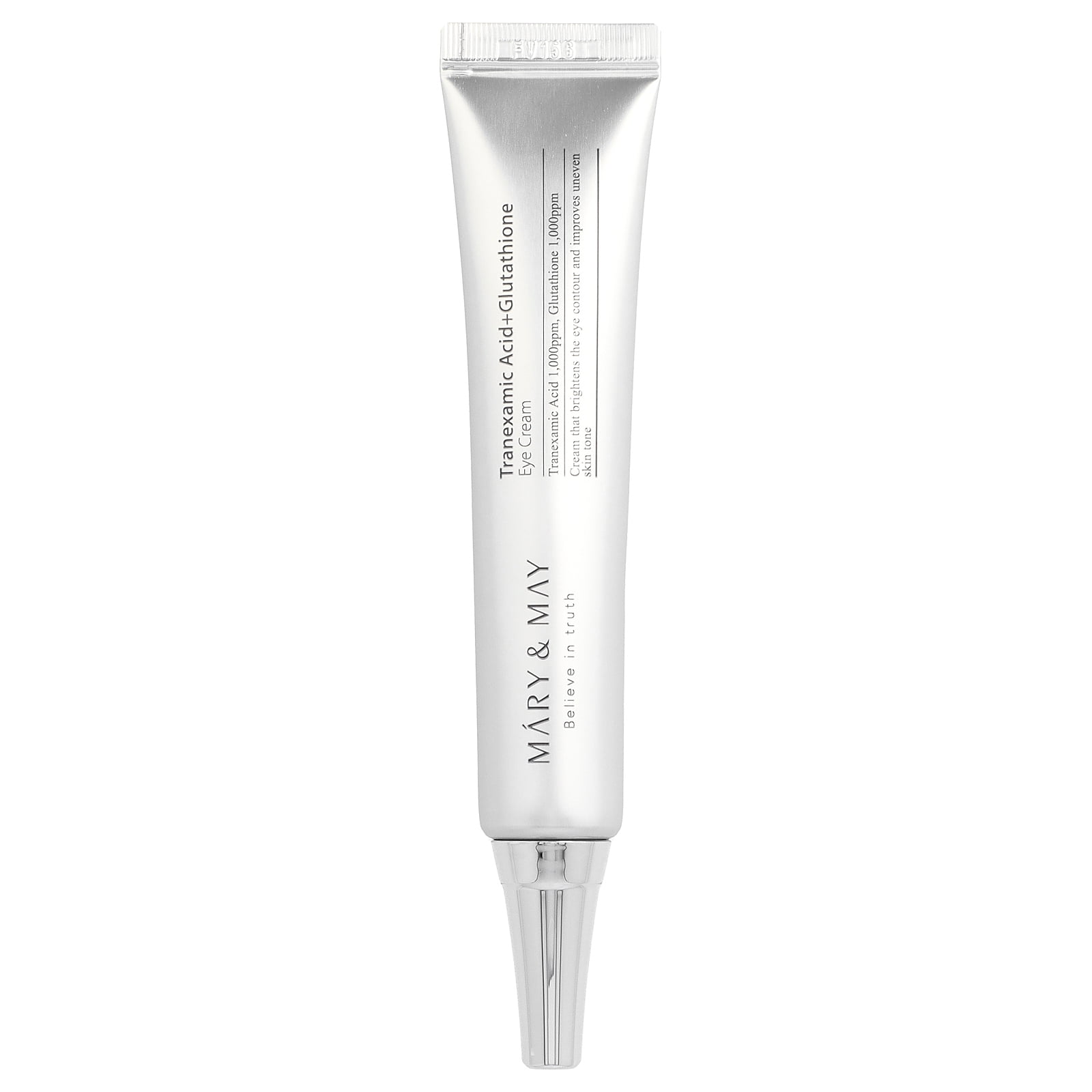
![Mary&May Tranexamic Acid+Glutathione Eye Cream [Miniature]](https://marynmay.com/cdn/shop/files/TranexamicAcid_GlutathionEyeCream.jpg?crop=center&height=1000&v=1714710972&width=1000)